Absorbency measurement, everyday-use testing in kitchens and workshops, and observations of lint transfer on dark surfaces
9 years covering this niche
Sofie Lindqvist is the Reviews Editor at Kako Sheet Review, running the absorbency rig and everyday-use tests and writing kitchen and detailing reviews. Her coverage includes absorbency measurement, wiping tests in kitchens and workshops, and lint transfer on dark surfaces. She delivers a 25 ml pour over five seconds onto a tilted sheet, records pass-through time to the nearest second, and keeps weighing records alongside the tests. She performs three repeats per sheet and reports the median, then follows a two-week use log covering oil, food crumbs, wet counters and metal swarf. Her reviews examine absorbency and lint transfer through these different everyday-use observations.
Absorbency and pass-through timing
Lint transfer on dark wool and glass
Kitchen wiping and counter cleanup
Workshop cleanup and metal swarf pickup
Detailing and polishing grades
Two-week everyday-use logging
Career timeline
2015
Started at a commercial kitchen equipment supplier handling returns
2018
Took over warranty analysis for cleaning cloths and consumables
2020
Joined Kako Sheet Review as reviews editor
2022
Standardised the 25 ml absorbency rig and the median-of-three rule
2024
Added the lint-transfer check on dark wool to every review
Credentials
Cleaning Consumables Specification, Certificate
Netherlands Cleaning Products Academy · 2019
Absorbency Bench Testing, Certificate
Rotterdam Textile Workshop · 2021
How I test
She pours 25 mL of liquid onto a tilted sample over 5 seconds, records pass-through time to the nearest second and records weighing results using a 0.1 g scale. She repeats the test 3 times per sample and reports the median. She then keeps a two-week everyday-use log covering oil, crumbs, wet counters and metal swarf.
We ordered the Ami Paris heart-embroidered denim jacket at $45.97 and put it through our bench routine and a two-week wear log. The denim and embroidery held up; the listing's mixed sleeve and fabric attributes did not.
We bought the white Kenzo cotton tee at USD 13.58 and logged drape, stretch recovery, print edges and daylight opacity for two weeks. Sizing, not the blank, is the open question.
We measured the squirrel-print Gucci tee by hand, checked the print under a light box and logged two weeks of bench wear. The fit is regular, and the sizing advice is to go up one size.
Hands-on review of the MM6 digital graphic tee: combed cotton through our spill, print-wear and two-week use tests. The fabric is solid, but verify the loose cut by measurement before ordering.
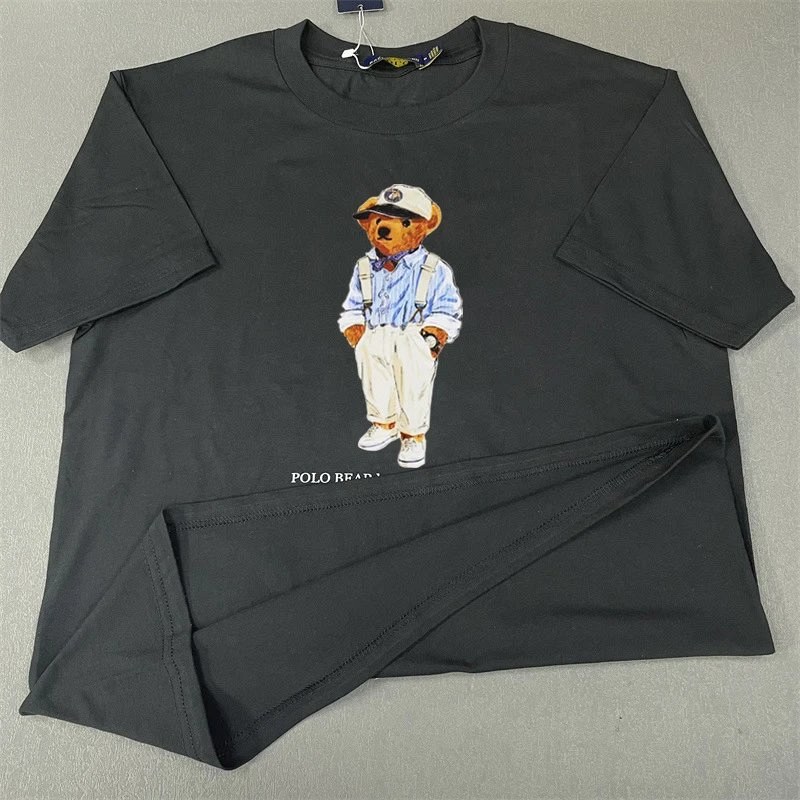
We ran our 25 mL pass-through bench on the black GU Bear colourway, weighed retention on a 0.1 g scale, and wore the $5.67 blank for two weeks of workshop use. The print held; the flat measurements never arrived.
A $4.18 cotton graphic tee, bench-tested for absorbency, print wear and shrinkage, then worn for two weeks around oil, crumbs and metal swarf. Roomy loose cut, clean printing, and a first-wash shrink worth planning for.
We ordered the black 763 print code in size L and ran it through the fabric bench routine plus a two-week wear log. Cotton comfort held up; collar style and "HL" branding stay unconfirmed.
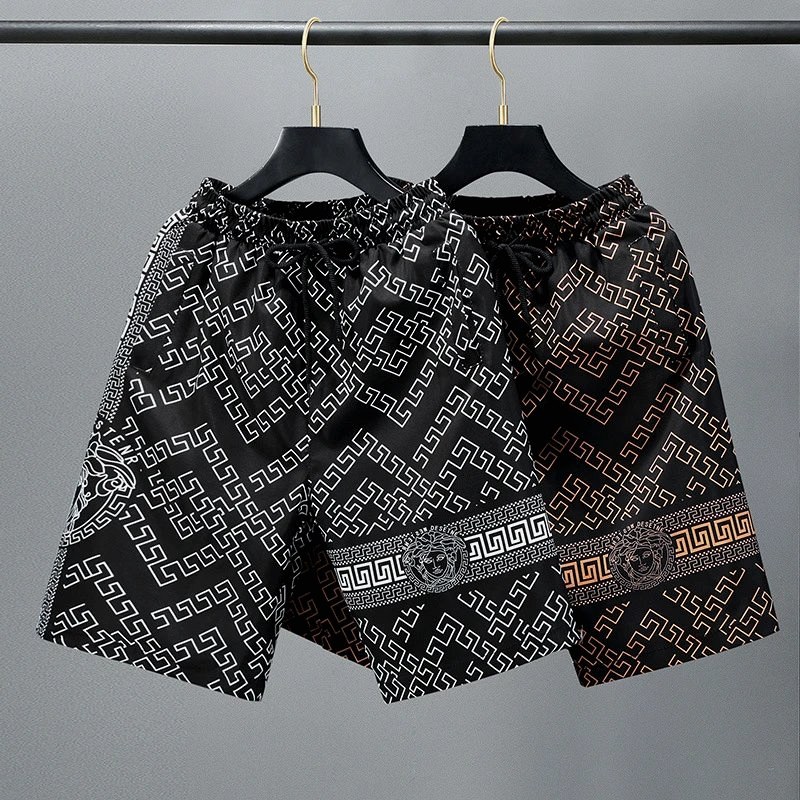
We bought the $6.87 Versace black shorts, measured the flats, ran our 25 mL drop test and logged two weeks of wear. The print and hem detail held; the no-stretch waistband is the real decision point.
We poured 25 mL across a tilted sample, timed pass-through on a 0.1 g scale and wore the pair for two weeks. The $7.91 Dior shorts shed water fast; the size chart is where the risk sits.
We ordered two colourways of this $8.36 cotton crew neck and ran our bench routine on it: 25 mL on a tilted sample, three repeats, a 0.1 g scale. Wicking held. The printed shade did not verify.
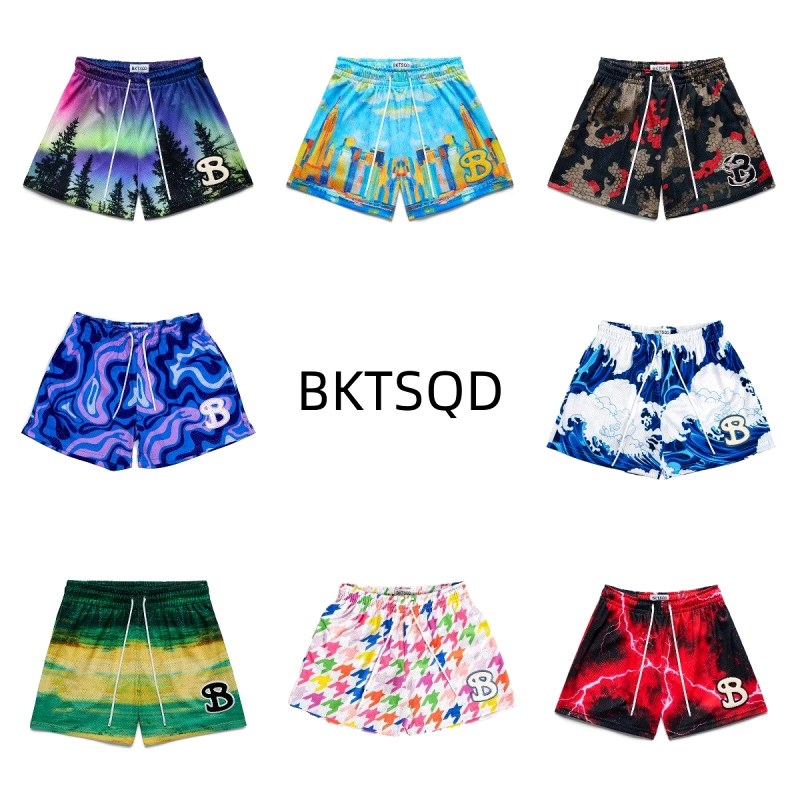
We ordered the $10.15 BKTSQD shorts, ran our tilted-sample pour test three times and logged two weeks of running, gym and laundry use. Here is how the loose straight-leg polyester cut held up.
We ordered the $3.73 MLB blue-print streetwear tee and ran it through our bench routine — tilt-pour tests, a 0.1 g scale and a two-week wear log. Most of it held up; one thing did not.